| May 11, 2012 |
Dinosaur Roundup
- Dinosaurs may have contributed to ancient global warming.
|
| April 19, 2012 |
Raindrop Fossils
- Raindrop impressions, preserved for 2.7 billion years, reveal clues about the early Earth's climate.
|
| April 18, 2012 |
Self-Healing Plastic
- Scientists have developed a plastic that repairs itself when damaged.
|
| April 13, 2012 |
Podcast for 13 April 2012
- CHEMISTRY & LIFE - What 2-billion-year-old raindrop fossils can tell us about conditions on the early earth. What science is revealing about the artwork of Leonardo da Vinci and Vincent Van Gogh. And a breakthrough in materials science technology yields plastic that can repair itself.
|
|
Art Roundup
- What caused Leonardo da Vinci’s famous self-portrait to yellow with time, and the genetics behind Vincent Van Gogh’s mutant sunflower paintings.
|
| April 2, 2012 |
Comet Harpoon
- NASA scientists are testing a harpoon that could bring back samples from comets.
|
| March 23, 2012 |
Transplant Roundup
- Proteins made from cow collagen could help protect aging gums.
|
| March 21, 2012 |
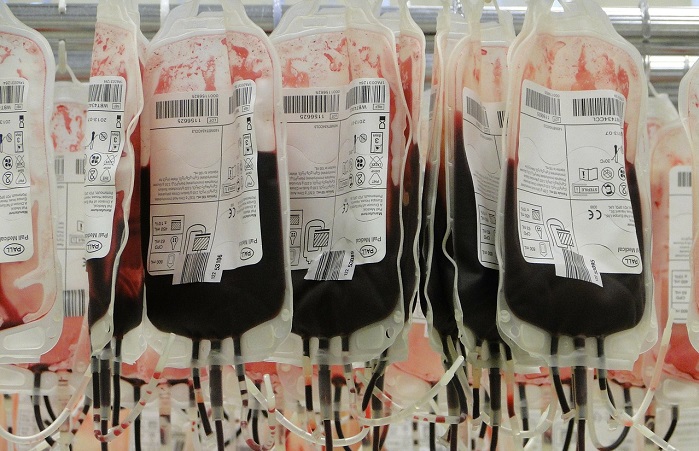
Other Blood Types
- New research adds 2 more rare blood type systems to a surprisingly long list.
|
| March 19, 2012 |
Heart Hormones & Fat
- Hormones released by the heart may help burn fat.
|
| March 16, 2012 |
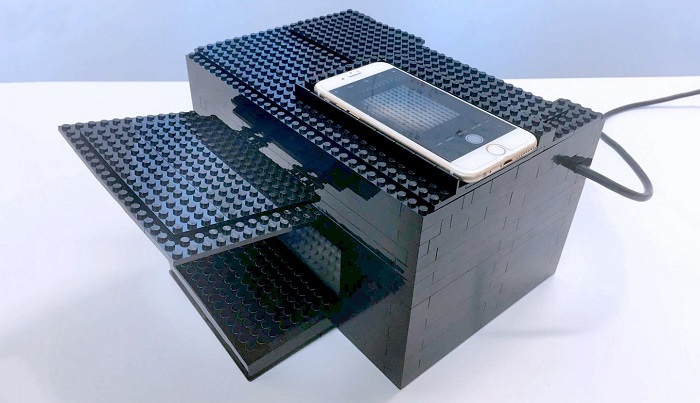
Podcast for 16 March 2012
- SCIENCE OF SOCIETY - Do wealthier people tend to have fewer scruples? The social costs of mass incarceration. Seeing-eye smartphones for the blind. And, new evidence calls an accepted tenet of science into question. Also: how to make plastic from plants.
|
| March 7, 2012 |
Plants into Plastic
- A new technique generates two key plastic components from plant material.
|
| February 18, 2012 |
Podcast for 18 February 2012
- AAAS 2012 ANNUAL MEETING SPECIAL - This week, we're coming to you from Vancouver, British Columbia, where scientists are gathering to tackle issues or global importance, such as how to boost crop productivity to feed a growing population, and making cookstoves safer for the world's poor. Also: video games to combat cataracts, and ultra-thin electronics printed with silver ink.
|
| February 16, 2012 |
Silver Ink
- A silver ink makes better ultra-thin, printable electronics.
|
| February 15, 2012 |
Worm Language
- Nematode worms have a surprisingly complex communication system.
|
| February 10, 2012 |
Podcast for 10 February 2012
- Are cyclones and earthquakes related? Why recent bad winters may be the result of global warming. And what life might be like on a planet with two stars. Also: we answer a listener's question about the temperature of the sun.
|
| February 7, 2012 |
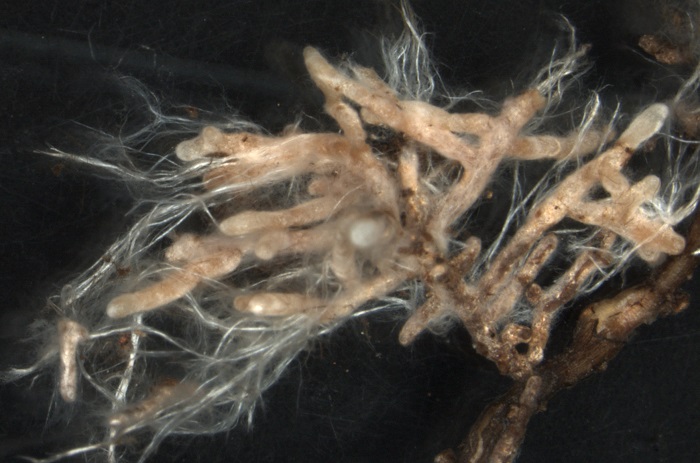
Fungi vs. Lead
- Fungi could be a new weapon against lead pollution.
|
| January 25, 2012 |
Kinder, Gentler Monkeys
- Rhesus macaque monkeys become kinder after inhaling the hormone oxytocin.
|
| January 20, 2012 |
Podcast for 20 January 2012
- ANIMALS & PEOPLE - Levitating flies, what dogs and babies have in common, how oxytocin makes kinder, gentler monkeys, a fish that mimics an octopus that mimics a fish, and how bats hear with both sides of the brain.
|
| January 5, 2012 |
Predicting Side Effects
- Computer scientists have developed a mathematical model to predict a drug’s side-effects before they can harm patients.
|
| December 30, 2011 |
Podcast for 30 December 2011
- DRUGS & ROCK 'N ROLL - Predicting drug side-effects before they can harm patients. A blood test for antidepressant effectiveness. Is 27 really an unlucky number for famous musicians? Are collecting and hoarding related? And why babies favor vigilante justice.
|
|
Critter Chemicals Roundup
- Some of the most potent antibiotics and insecticides come from animals. Researchers have identified some promising new candidates, derived from ants and frogs.
|
| December 23, 2011 |
New Materials Roundup
- New fabric coatings could allow clothes to clean and disinfect themselves simply by hanging out in the sun.
|
| December 16, 2011 |
Solar Energy Roundup
- Researchers have created a combination of fool’s gold and silicon that could be used to make inexpensive solar cells.
|
| December 8, 2011 |
Dryer Lint Pollution
- Drying polyester clothing in a machine may contribute to plastic pollution at sea.
|
| December 7, 2011 |
Supercooled Water
- On a molecular level, water doesn't have to become ice until minus-55 degrees Fahrenheit.
|
| November 8, 2011 |
Anti-Aphrodisiac
- A chemical that repels the opposite sex could be used to help control a common crop pest without the use of pesticides.
|
| November 4, 2011 |
Podcast for 4 November 2011
- THE SCIENCE OF LIGHT & VISION - A pacemaker that restarts the heart with light, and a secret code made from fluorescent bacteria. And, could a lack of outdoor activity be making kids more nearsighted? Also: new research suggests that IQ might not be as stable as once thought.
|
|
Alcohol & Infection
- Lab studies show how alcohol inhibits the immune system's response to an infection.
|
| October 28, 2011 |
Podcast for 28 October 2011
- SCIENCE UNDERWATER - Why the seas of the future may belong to jellyfish, why fish tanks can be breeding grounds for aggression, how chatter between ocean bacteria contributes to climate change, and good news about sea turtles. Also, scientists unveil the first underwater cloaking device.
|
|
Pre-Empting Allergies
- A new treatment may block specific allergies without disrupting other immune functions.
|
| October 25, 2011 |
Breath Toxin Detector
- Advances in technology have made it possible to develop a hand-held breath test for a wide range of toxic chemicals.
|
| October 24, 2011 |
Mercury’s Make-up
- The MESSENGER spacecraft is revealing new details about the tiny planet’s chemical composition.
|
| October 21, 2011 |
Podcast for 21 October 2011
- PREVENTIVE HEALTH - Vitamin D and ethnicity, a breath test for toxins, drinking and the immune system, measuring pain in the brain, and a new weapon to combat allergic reactions.
|
|
Aquarium Fish Aggression
- Bigger tanks and richer environments reduce aggression in popular pet fish.
|
| October 20, 2011 |
Woolly Mammoth Blood
- A replica of woolly mammoth blood protein may lead to treatments for hypothermia and improvements in surgery.
|
| October 19, 2011 |
Tooth Regeneration
- A new technique can reverse early tooth decay without drilling.
|
| October 18, 2011 |
Slick Pitcher Plants
- The specialized leaves of carnivorous pitcher plants are inspiring the next generation of super-slick materials.
|
| October 11, 2011 |
Not-So-Precious Metals
- If you’re wearing a gold ring, it began as a meteeorite that struck the earth billions of years ago, but vast deposits of precious metals are also hidden deep in the earth’s core.
|
| October 6, 2011 |
Podcast for 7 October 2011
- MERCURY SPECIAL REPORT - The MESSENGER spacecraft is revealing new discoveries about the planet closest to our Sun.
|
| October 4, 2011 |
Mercury Hollows
- NASA's MESSENGER spacecraft has identified mysterious hollows on the planet's surface.
|
| October 3, 2011 |
Mercury Origins
- The MESSENGER spacecraft is revealing surprising details about the origins of the planet Mercury.
|
| September 30, 2011 |
Podcast for 30 September 2011
- HORMONES & BEHAVIOR - Testosterone and fatherhood, the genetics of oxytocin and depression, gender and spatial reasoning revisited, where taste is found in the brain, and more.
|
| September 6, 2011 |
Fear Confusion
- An enzyme deficiency makes mice afraid of the wrong things.
|
| September 1, 2011 |
Darkest Planet
- Scientists have identified the darkest known extrasolar planet.
|
| August 19, 2011 |
Podcast for 19 August 2011
- WATER EVERYWHERE - Astronomers have discovered the largest cache of water ever, and researchers are developing new software for detecting contamination of municipal water supplies. Also: Round robots to help safeguard nuclear power plants.
|
| August 16, 2011 |
Black Hole Water
- Water was abundant in the universe just 1.6 billion years after the Big Bang - in one of the most inhospitable places imaginable.
|
| July 22, 2011 |
Medical Roundup
- New research lends clues to why a bad sunburn hurts so much.
|
| July 15, 2011 |
Appliance Roundup
- Some of the world’s most forbidding environments occur right in our own homes, but microorganisms are finding a way to colonize them.
|
| July 8, 2011 |
Navigation Roundup
- Humans have an internal chemical compass.
|
| June 29, 2011 |
Rainbow Polymer
- Color-shifting polymers could make money and other documents harder to copy.
|