
Topic: Physics

April 6, 2012 Tech Roundup - Researchers have designed a camera that can see around corners.
April 4, 2012 Light Circuits - Researchers are designing faster, smaller circuits that use light instead of electricity.
February 24, 2012 Nanotech Roundup - The flight of butterflies could inspire miniature flying robots.
February 10, 2012 Podcast for 10 February 2012 - Are cyclones and earthquakes related? Why recent bad winters may be the result of global warming. And what life might be like on a planet with two stars. Also: we answer a listener's question about the temperature of the sun.
February 6, 2012 The Sun’s Temperature - A listener asks: How hot is the surface of the sun?
January 27, 2012 Light Roundup - The sunflower’s spirals inspire new solar power plant design.
January 23, 2012 Weightless Flies - Magnetically levitated flies may help researchers study the effects of weightlessness.
December 20, 2011 Fastest Spinning Star - A powerful telescope has detected the fastest rotating star yet.
December 16, 2011 Solar Energy Roundup - Researchers have created a combination of fool’s gold and silicon that could be used to make inexpensive solar cells.
December 7, 2011 Supercooled Water - On a molecular level, water doesn't have to become ice until minus-55 degrees Fahrenheit.
November 16, 2011 Light-Based Pacemaker - Scientists have designed a pacemaker that restarts the heart with light instead of electricity.
November 4, 2011 Podcast for 4 November 2011 - THE SCIENCE OF LIGHT & VISION - A pacemaker that restarts the heart with light, and a secret code made from fluorescent bacteria. And, could a lack of outdoor activity be making kids more nearsighted? Also: new research suggests that IQ might not be as stable as once thought.
November 3, 2011 Mirage Cloaking - A new technique creates a “mirage effect” underwater, making objects seemingly vanish.
October 26, 2011 Anti-Magnets - Scientists have designed a theoretical anti-magnet. If it works in practice, it could have profound effects on both medicine and industry.
October 6, 2011 Podcast for 7 October 2011 - MERCURY SPECIAL REPORT - The MESSENGER spacecraft is revealing new discoveries about the planet closest to our Sun.
September 1, 2011 Darkest Planet - Scientists have identified the darkest known extrasolar planet.
August 12, 2011 Climate Roundup - Climate scientists who want to know how airplanes might affect the climate are gaining new insights by looking nearly seventy years into the past.
August 11, 2011 Frog Feet - A new study reveals how tree frogs clean their feet as they hop.
August 1, 2011 Ultrasound Safety - A listener asks: Can medical ultrasound damage your ears?
July 22, 2011 Medical Roundup - New research lends clues to why a bad sunburn hurts so much.
July 8, 2011 Podcast for 8 July 2011 - NOISE & NAVIGATION: Bats maneuver in the dark with the help of microscopic wing hairs, researchers expose a dolphin's secret sonar, killer whale ears inspire better microphones, and how a tiny bug with a big sound has eluded biologists for centuries. Also: Do humans have an internal compass?
June 29, 2011 Rainbow Polymer - Color-shifting polymers could make money and other documents harder to copy.
June 28, 2011 Deaf Vision - The retinas of people who have been deaf from birth enhance their peripheral vision.
June 27, 2011 Reindeer Vision - Reindeer can detect ultraviolet light with their retinas, which may help them survive dark Arctic winters.
June 3, 2011 Podcast for 3 June 2011 – Searching for Life in Outer Space - Astronomers are using new tools to look for life in outer space. And, the search for intelligent life in the universe is targeting the best candidate planets. Also: how tsunamis impact sealife.
May 23, 2011 3-D Space Map - Using light from quasars, scientists are mapping the distant universe.
March 14, 2011 Slimy Frog Skin - A listener asks: Why is frog skin slimy?
March 11, 2011 Podcast for 11 March 2011: Animal Adaptations - Regional dialects in gibbons, a squid attack pheromone, bats and carnivorous plants, and why frogs are slimy.
Cancer Detection Roundup - A new laser technique could diagnose skin cancer in minutes.
March 10, 2011 Star Distance - Astronomers calculate the distance to the furthest stars by comparing them to stars they know.
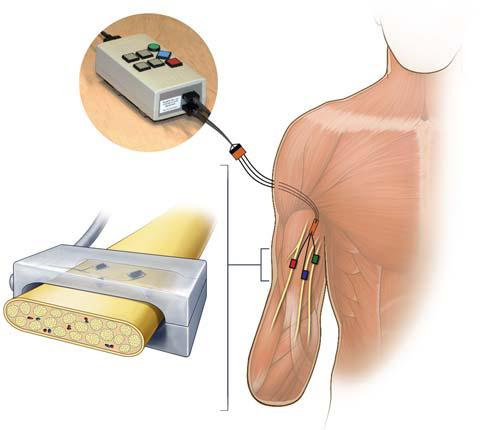
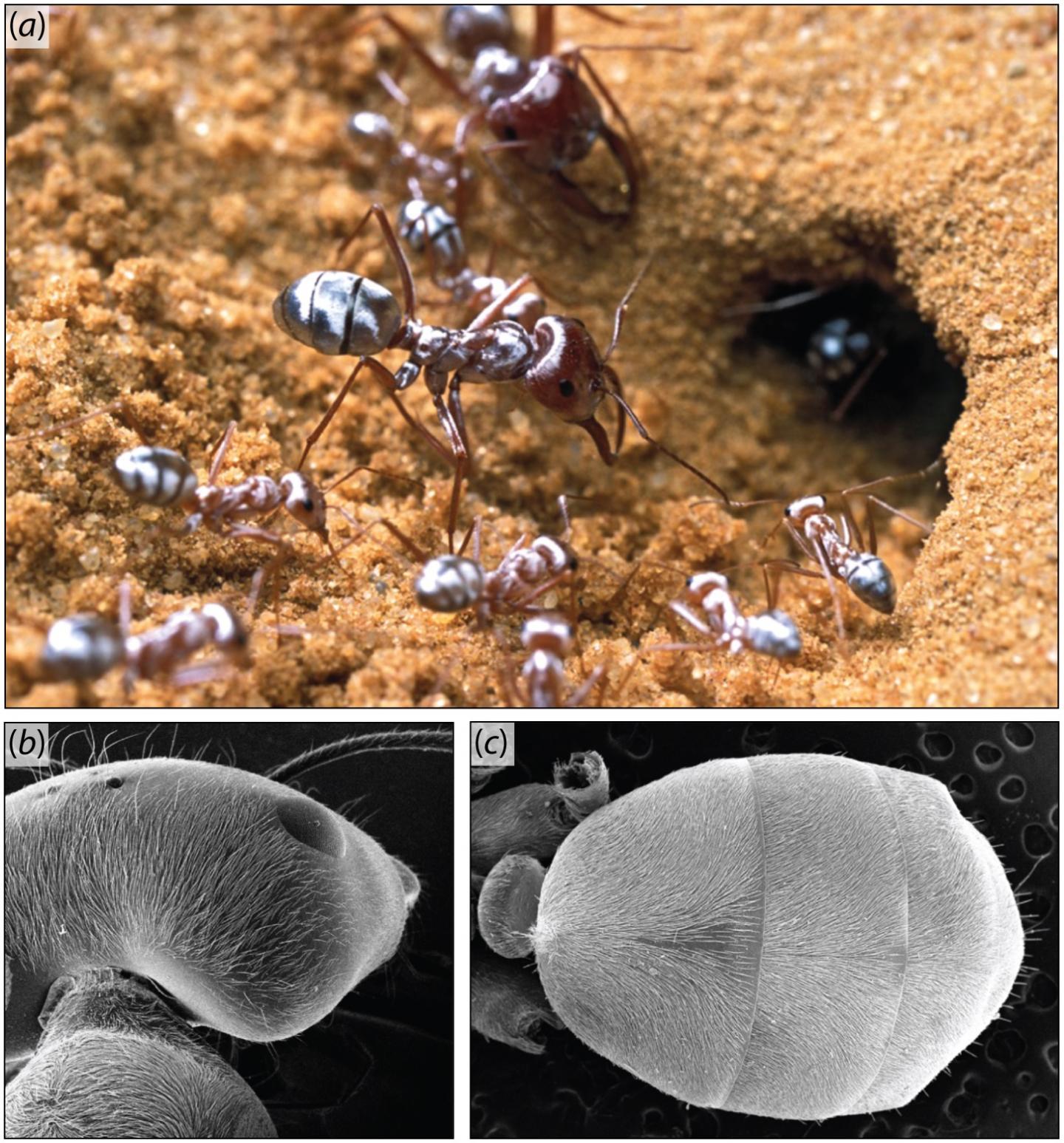
January 20, 2011 Solar Wasps - Wasps that harvest the sun's rays could inspire solar cell design.
January 7, 2011 Podcast - NATURE OF INVENTION: Sea urchin teeth could inspire new nano-materials, and hornet stripes could lead to better solar technology. Also: automatic transmissions could revolutionize electric wheelchairs, and there's new research on the genetics of hair color and male pattern baldness.
December 23, 2010 Stonehenge Engineering - A new hypothesis explains how prehistoric people transported huge slabs of rock to Stonehenge.
December 3, 2010 Cat Roundup - Tigers are highly endangered in the wild and the remains of over one thousand of the big cats have been seized in the past decade.
December 2, 2010 Speedy Diodes - A new processor technology may potentially supplant the silicon chip.
November 23, 2010 Robot Gripper - Researchers have engineered a robotic gripper out of balloons and sand that is capable of picking up many kinds of objects.
October 18, 2010 Rail-Space Launcher - Giving spacecraft a running start on a long rail may significantly reduce launch costs.
October 12, 2010 White Clouds - If water droplets are clear, why do the clouds that form from them appear white?
October 8, 2010 Podcast - SPACE UPDATE: NASA prepares to launch a human-like robot into space, engineers are designing a more efficient system for launching payloads into orbit, why microwaves aren't as dangerous as some people think, and the physics behind the color of clouds.
October 6, 2010 Edgy Clouds - A listener asks why clouds have such well-defined edges.
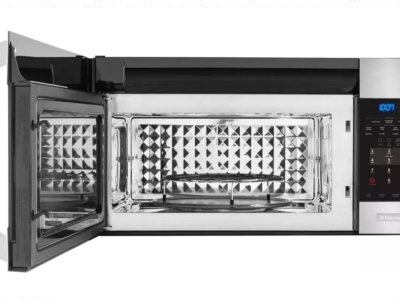
September 29, 2010 Microwaves - Some people think microwave ovens and cell phones are dangerous, but their fears are not backed up by science.
September 22, 2010 Mica Life Hypothesis - A new hypothesis suggests that life began between ultra-thin sheets of minerals.
September 17, 2010 Podcast - AIR & SPACE: The moon is shrinking - slowly, astronomers discover a solar system similar to our own, exploring the moons of Jupiter, how satellite-based mapping programs can help during natural disasters, and why clouds have distinct borders.
September 16, 2010 Bug Bifocals - Biologists have discovered a beetle with built-in bifocals.
September 14, 2010 Pigeon Illusions - A listener asks: Why do pigeons bob their heads back and forth when they walk?
September 13, 2010 Moons of Jupiter - Designing instruments for planned missions to explore Jupiter's many moons requires a combination of scientific acumen and engineering skill.
September 8, 2010 Motor Oil - A listener asks what the numbers on a bottle of motor oil mean.
August 23, 2010 Designing Faces - An engineering design technique can help surgeons reconstruct the delicate bones of the face.
August 6, 2010 Podcast - SUNSCREEN & SUPPLEMENTS: Sunscreens from ivy, why tanning oil speeds up skin damage, and when to apply sunscreen. Also: the link between fructose and pancreatic cancer, and over-the-counter weight-loss supplements fail the grade.
August 4, 2010 Ivy Sunscreen - English ivy produces natural nano-sized particles that could improve sunscreens.