| May 2, 2012 |
Baby Goat Accents
- Baby goats’ baas may contain a hidden message for their herdmates.
|
| April 13, 2012 |
Art Roundup
- What caused Leonardo da Vinci’s famous self-portrait to yellow with time, and the genetics behind Vincent Van Gogh’s mutant sunflower paintings.
|
| April 5, 2012 |
NYC Frog
- Researchers found a previously unknown frog species in New York City.
|
| April 3, 2012 |
Monkey Miscarriages
- Wild gelada monkeys spontaneously abort pregnancies when a new male takes over the group.
|
| March 26, 2012 |
Australian Extinction
- Human hunters drove Australia’s largest animals to extinction around 40,000 years ago.
|
| March 23, 2012 |
Podcast for 23 March 2012
- EVOLUTION & EXTINCTION - What really happened to Australia's missing megafauna, how carnivores lost their sweet tooth, why lovelorn fruit flies resort to alcohol, strategic miscarriages in monkeys, and a new frog species is discovered in plain sight.
|
| March 21, 2012 |
Other Blood Types
- New research adds 2 more rare blood type systems to a surprisingly long list.
|
| March 15, 2012 |
Extremely Tiny Horses
- Ancient horses shrank when global temperatures rose.
|
| March 1, 2012 |
Cancer & Diabetes Resistance
- A rare genetic mutation makes people very short, but also resistant to cancer and diabetes.
|
| February 22, 2012 |
Boosting Photosynthesis
- Researchers are trying to boost the efficiency of photosynthesis in crops like soybeans, rice and potatoes to feed the world’s growing population.
|
| January 26, 2012 |
A Dog’s Eye View of People
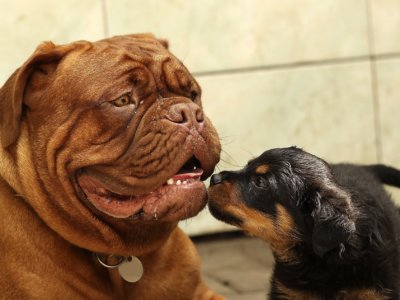
- One key to our successful long-term relationship with dogs may lie in the eyes.
|
| January 20, 2012 |
Podcast for 20 January 2012
- ANIMALS & PEOPLE - Levitating flies, what dogs and babies have in common, how oxytocin makes kinder, gentler monkeys, a fish that mimics an octopus that mimics a fish, and how bats hear with both sides of the brain.
|
| January 18, 2012 |
Mimic Mimic
- When an Indonesian octopus mimics poisonous fish, a smaller fish takes advantage.
|
| January 16, 2012 |
Bat Brains
- Like humans, bats process some types of sounds on the right side of their brains and other sounds on the left side of their brains.
|
| January 13, 2012 |
Flora & Fauna Roundup
- Researchers have discovered what makes buttercups so shiny.
|
| January 11, 2012 |
Sounds & Colors
- Like humans, chimpanzees associate high-pitched sounds with bright colors and low-pitched sounds with dark colors.
|
| January 9, 2012 |
Counting Pigeons
- New research suggests that pigeons, like monkeys, can count.
|
| December 26, 2011 |
Old Brains
- Preserved brains from the early 20th century may shed light on mental illness.
|
| December 22, 2011 |
Podcast for 23 December 2011
- CHANGING BRAINS - Why London taxi drivers have bigger brains, how eye movements reveal what we've really seen, and why emulating the eye movements of experts produces better surgeons. And, what long-dead brains can tell us about mental illness. Also: how violent video games could be changing young men's brains.
|
|
Infantile Justice
- Eight-month-old babies seem to favor rewarding good behavior and punishing bad.
|
| December 16, 2011 |
Podcast for 16 December 2011
- BEHAVIOR, ECOLOGY & ENVIRONMENT - why dirty laundry could be damaging the environment, how to make wine growing compatible with wildlife, what the Monarch butterfly genome can tell us about their epic migrations, and how wasps see faces.
|
| December 5, 2011 |
Monarch Genome
- Scientists have sequenced the Monarch butterfly’s genome, to better understand its epic migrations.
|
| November 30, 2011 |
Giant Beaver Sounds
- The giant beaver went extinct about 10,000 years ago, but it left behind clues to the sounds it may have used to communicate with.
|
| November 25, 2011 |
Empathy Roundup
- New research suggests that people can spot some personality traits that are strongly influenced by genes.
|
| November 22, 2011 |
Cooking Up Evolution
- Scientists have new evidence that cooking influenced human evolution.
|
| November 18, 2011 |
Podcast for 18 November 2011
- EVOLUTION - Did a giant beaver that once roamed North America communicate by whistling? A newly discovered mammalian fossil that sported fangs. And, did the advent of cooking drive human evolution? Also: new research suggests that Neanderthals' shorter legs were actually an advantage for navigating mountainous terrain.
|
| November 7, 2011 |
Neanderthal Legs
- Scientists have figured out how Neanderthals got by with short legs.
|
| November 4, 2011 |
Podcast for 4 November 2011
- THE SCIENCE OF LIGHT & VISION - A pacemaker that restarts the heart with light, and a secret code made from fluorescent bacteria. And, could a lack of outdoor activity be making kids more nearsighted? Also: new research suggests that IQ might not be as stable as once thought.
|
| September 29, 2011 |
Gypsy Moth Virus
- A single gene in a lethal virus makes gypsy moth caterpillars stop molting and eat constantly.
|
| September 27, 2011 |
Endangered Stem Cells
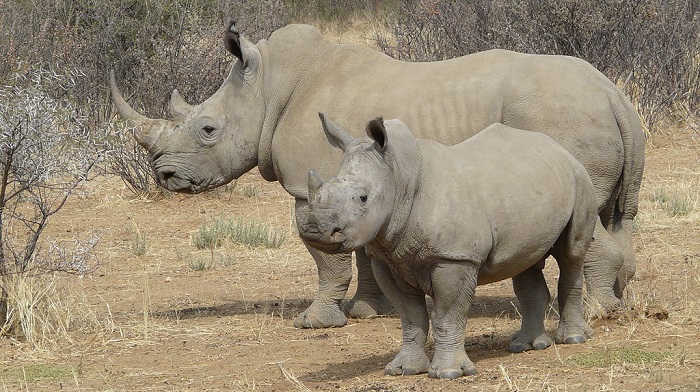
- Stem cell research could help bring drill monkeys and northern white rhinos back from the brink of extinction.
|
| September 26, 2011 |
Oxytocin & Optimism
- A gene variant may influence a person’s outlook on life.
|
| September 20, 2011 |
Six Butterflies in One
- One species of butterfly mimics six different species to avoid predators.
|
| September 9, 2011 |
Podcast for 9 September 2011
- MARVELS OF EVOLUTION - A prehistoric pregnancy clears up a Mesozoic mystery. The economics of plant-fungi cooperation. How to get six butterflies in one. Counting up the species on earth. And how your stress could be bad news for your mate if you're a finch.
|
| August 31, 2011 |
Free-Market Fungi
- Symbiotic plants and fungi reward generous trade partners and punish stingy ones.
|
| August 5, 2011 |
Podcast for 5 August 2011
- BATS & DOLPHINS: Dolphins that heal themselves, and dolphins that use electroreception in addition to echolocation. Also, How vampire bats find their prey, and how a Cuban plant takes advantage of a bat's ability to echolocate.
|
|
Backyard Roundup
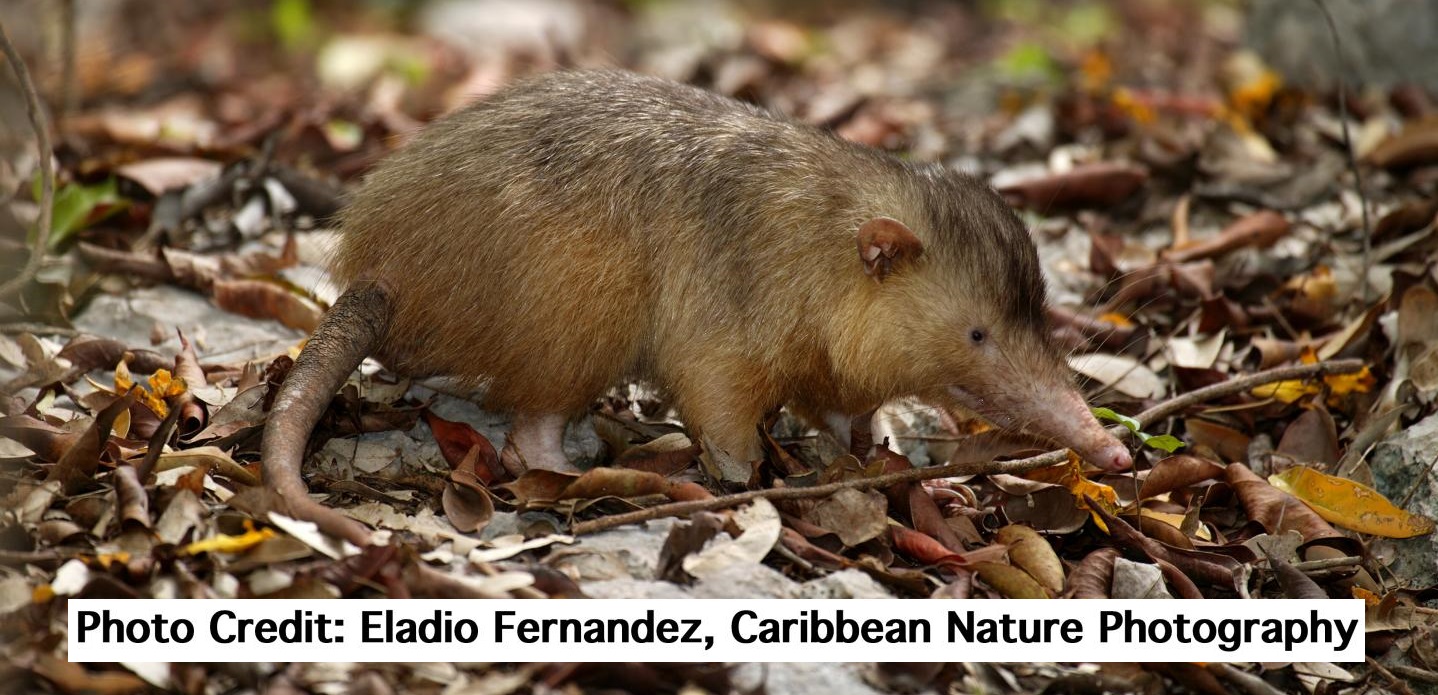
- Opossums and snakes are locked in a battle of evolutionary proportions.
|
| July 29, 2011 |
Podcast for 29 July 2011
- REPTILES & AMPHIBIANS - Fossil anatomy sheds light on whether dinosaurs were warm-blooded, why some lizards are smarter than you think, opossums and snakes locked in a deadly arms race, and why frogs don't lose their grip.
|
| July 28, 2011 |
Happy Face Genetics
- Differences in a gene influence how much time we spend looking at happy faces.
|
| July 20, 2011 |
Pigeons Watch Us
- Pigeons remember the people who feed them.
|
| July 19, 2011 |
Forensic Age Test
- A new test uses DNA to reveal a person’s age.
|
| July 15, 2011 |
Podcast for 15 July 2011
- THE SCIENCE OF FACES: when pigeons look at us, and the genes behind how we look at faces. Also: what causes hot flashes, determining your age from your DNA, and the hormone behind stress eating.
|
|
Appliance Roundup
- Some of the world’s most forbidding environments occur right in our own homes, but microorganisms are finding a way to colonize them.
|
| July 13, 2011 |
Promiscuous Finches
- Promiscuity-related genes in finches may exist to exist solely to benefit males.
|
| July 8, 2011 |
Podcast for 8 July 2011
- NOISE & NAVIGATION: Bats maneuver in the dark with the help of microscopic wing hairs, researchers expose a dolphin's secret sonar, killer whale ears inspire better microphones, and how a tiny bug with a big sound has eluded biologists for centuries. Also: Do humans have an internal compass?
|
|
Navigation Roundup
- Humans have an internal chemical compass.
|
| July 7, 2011 |
Bird Colors
- A new study looks at the world through the eyes of birds.
|
| July 1, 2011 |
Podcast for 1 July 2011
- A failing grade for fat substitutes, a master regulator gene for fat, a brainwave that helps control memory, and turning skin cells into brain cells.
|
|
Nature Roundup
- Scientists are sequencing the genomes of thousands of insect species.
|
| June 24, 2011 |
Podcast for 24 June 2011 – Birds of a Feather
- The genes behind unfaithful finches, mapping the diversity of bird plumage colors, what feathers can tell us about pollution, and what baby birds drink. Also: could living with a dog or cat decrease a child's risk of developing allergies?
|
| June 22, 2011 |
Neanderthal Hands
- Evidence from ancient teeth suggests that most Neanderthals were right-handed, like us.
|